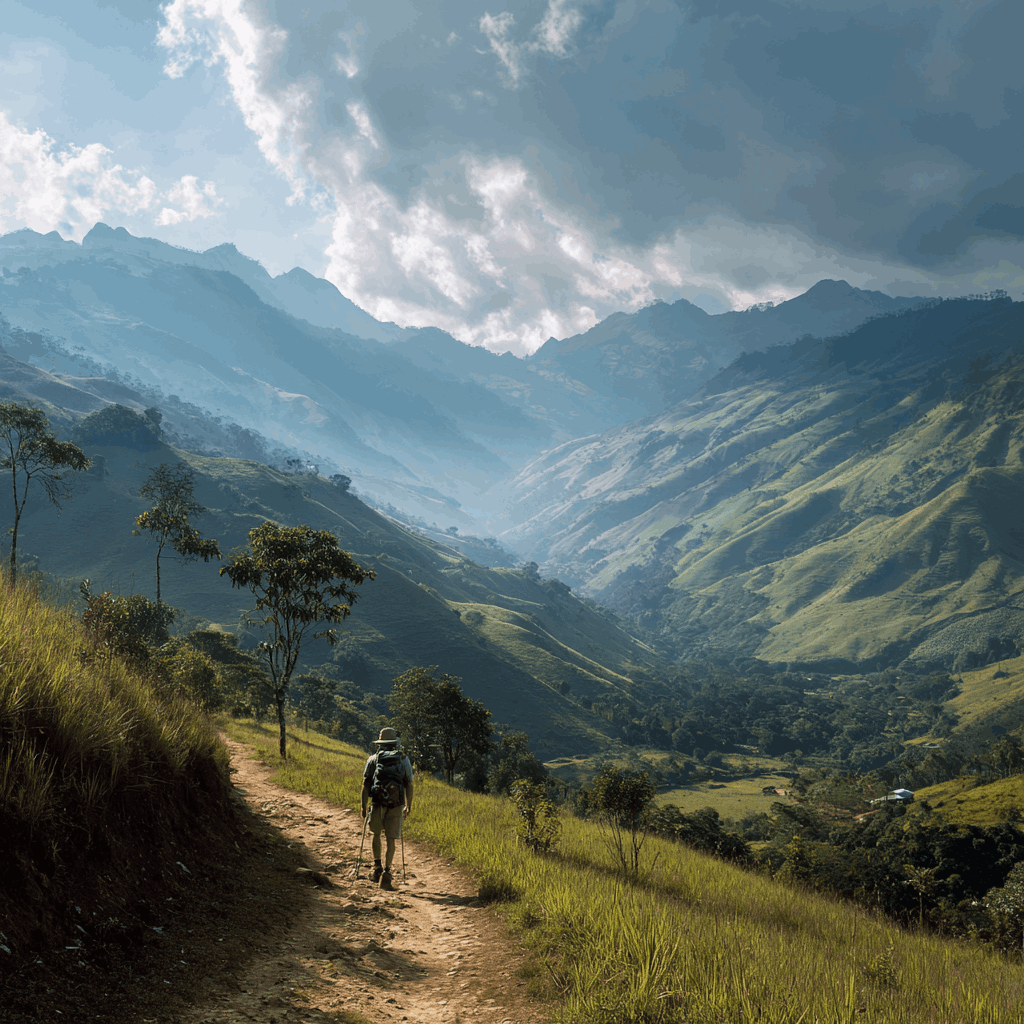
Emerging Routes Spotlight: New Adventure Trails in South America
Ready to blaze new trails in South America? In 2025, Colombia and Brazil are rolling out fresh hiking paths that promise raw adventure, jaw-dropping landscapes, and a chance to tread lightly on the planet. Inspired by traveler feedback craving less-crowded, sustainable escapes, these routes dive into Colombia’s sacred peaks and Brazil’s hidden plateaus. From indigenous-guided treks to eco-lodges, this guide covers the latest trails, booking tips, and how to keep it off-the-beaten-path. Lace up your boots—South America’s wild heart awaits!
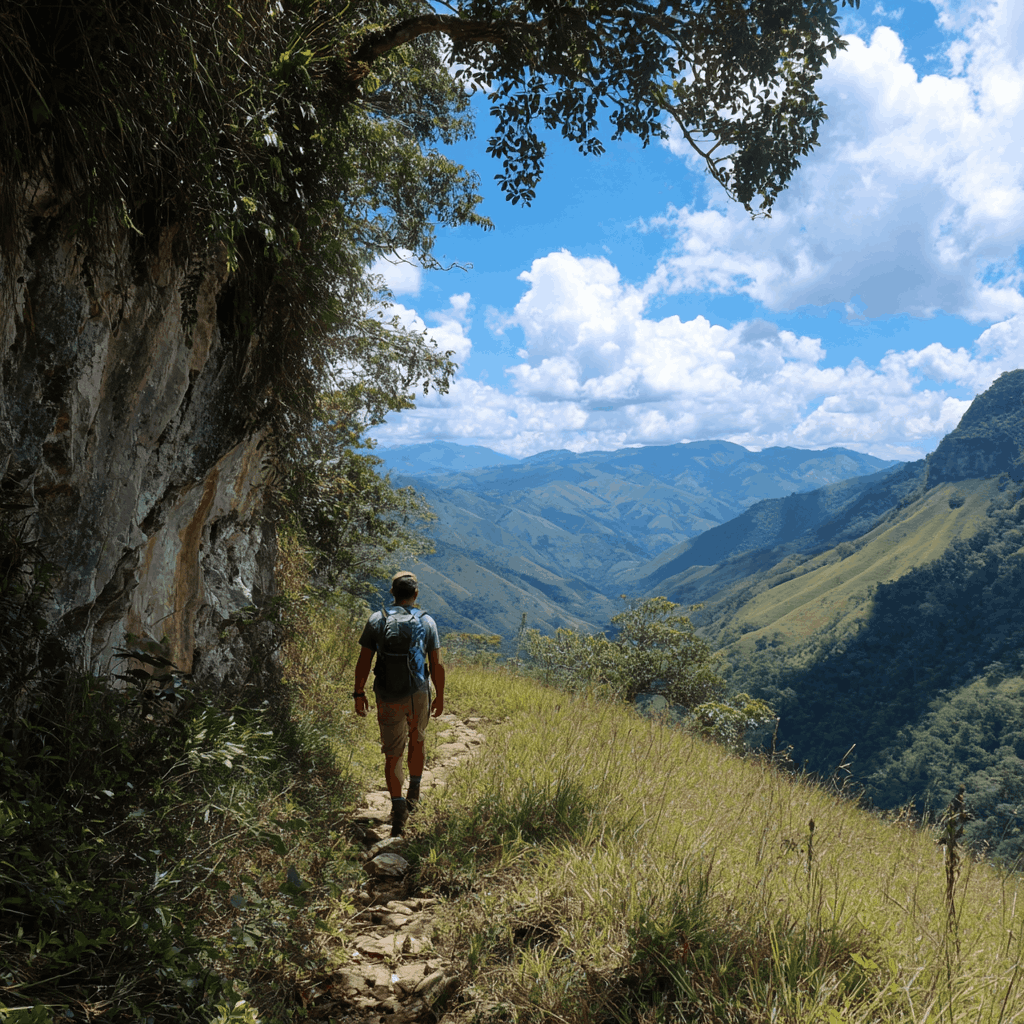
Colombia’s New Trails: Sacred Peaks and Jungle Paths
Sierra Nevada de Santa Marta: Kogui Community Trek
Traveler buzz on forums like Reddit has pushed operators to open a new 5-day trek in Colombia’s Sierra Nevada de Santa Marta, guided by Kogui indigenous communities. Starting in Santa Marta, this 30-mile loop climbs through lush jungle to sacred lagoons and peaks like Cerro Kennedy, topping out at 3,100 meters. Expect misty forests, rare birds like the Santa Marta parakeet, and storytelling sessions with Kogui guides about their spiritual connection to the land. Cost: ~$400 USD with operators like G Adventures, including meals and camping gear. Sustainable angle: fees support Kogui schools and land preservation. Book early (3-6 months out) via GAdventures.com for small groups (max 12). Tip: respect sacred sites—photography’s often restricted.
El Cocuy National Park: Ritacuba Blanco Extension
El Cocuy’s getting a new 4-day extension trail in 2025, sparked by hikers raving about its untouched glaciers. Starting from Güicán, this 25-mile add-on to the classic 3-day loop hits the Ritacuba Blanco Glacier and Laguna Grande at 4,800 meters. It’s rugged—think rocky scrambles and chilly nights—but the snowy peaks and alpine meadows are unreal. Local indigenous U’wa guides lead for ~$350 USD through operators like FlashpackerConnect, with pack mules carrying gear. Eco-focus: low-impact camps and U’wa-led conservation talks. Book by March 2025 for June-September trips (dry season) on FlashpackerConnect.com. Pack layers; temps dip below freezing.
Brazil’s New Trails: Plateaus and Waterfalls
Chapada Diamantina: Pai Inácio Plateau Loop
Brazil’s Chapada Diamantina National Park is unveiling a 3-day, 20-mile Pai Inácio Plateau Loop in 2025, driven by hikers on blogs like Destinationless Travel begging for shorter, scenic routes. Starting in Lençóis, it winds through canyons, past Brazil’s tallest waterfall (Cachoeira da Fumaça), and up to Pai Inácio’s panoramic plateau. No guide needed for experienced trekkers—trails are marked—but local guides (~$200 USD via AdventureLife.com) add history on the diamond rush era. Eco-perks: stays in family-run pousadas support locals. Book by April 2025 for dry season (December-March). Bring cash for park fees (~$22 USD/week).
Serra da Canastra: São Francisco River Trail
Inspired by wildlife lovers on AllTrails, Serra da Canastra National Park debuts a 4-day, 35-mile trail along the São Francisco River in 2025. From São Roque de Minas, it traces waterfalls like Casca D’Anta and rolling grasslands where you might spot maned wolves or giant anteaters. Guided trips (~$500 USD via YourBrazilAdventure.com) include eco-lodges with solar power and local food. Sustainable vibe: operators fund park conservation. Book 4 months ahead for December-March; rainy season (April-November) gets muddy. Pack binoculars for wildlife and sturdy boots for rocky climbs.
Booking Tips for Sustainable Adventures
Timing: June-September for Colombia’s dry season; December-March for Brazil’s. Avoid rainy months unless you love mud. Check Ramadan dates for 2025—some Brazilian guides adjust schedules.
Operators: G Adventures and FlashpackerConnect for Colombia; Adventure Life and Your Brazil Adventure for Brazil. All prioritize small groups and eco-practices. Book via their websites or TourRadar.com for deals—expect 10-15% off if booked by February 2025.
Eco-Focus: Choose operators with sustainability certifications (e.g., G Adventures’ Planeterra projects). Look for lodges using renewable energy or tours funding local communities. Expedia’s “sustainable” filter helps for Brazil’s eco-lodges.
Cost & Prep: Budget $80-150/day for guided treks, including meals and gear. Solo hikers save on Brazil’s marked trails but need navigation apps like AllTrails. Pack light, reusable water bottles, and biodegradable toiletries to minimize impact.
Cultural Nuances: In Colombia, respect indigenous land—ask before photographing. In Brazil, tip guides ~10% and learn basic Portuguese phrases like “obrigado” (thanks). Locals love sharing trail stories over cachaça.

These emerging routes are raw, real, and built for adventurers who want solitude over crowds. Traveler feedback’s made them happen, so you’re hiking paths shaped by explorers like you. Book smart, tread lightly, and let Colombia and Brazil’s wild beauty blow your mind!